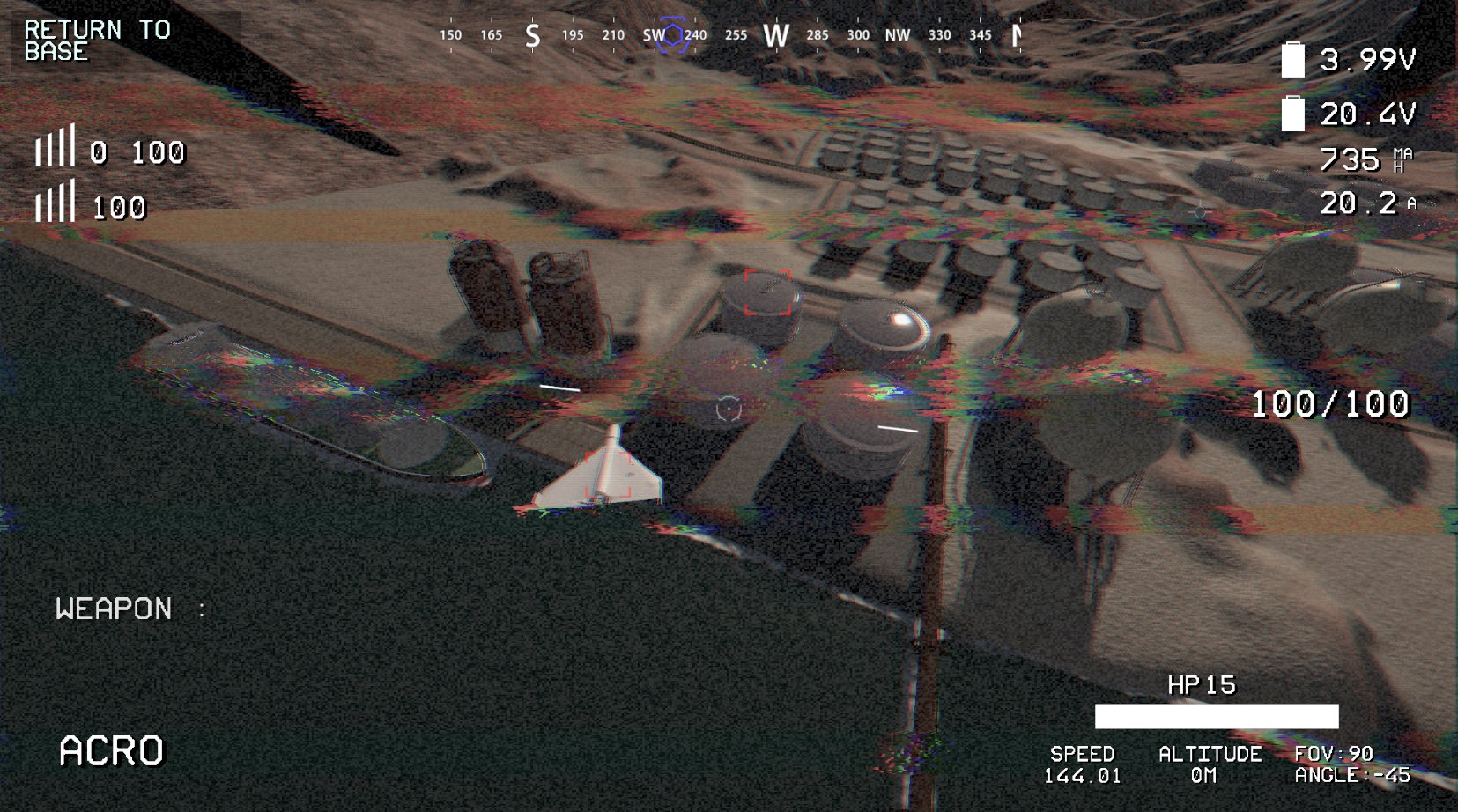
TARKUS — Identify and prosecute radar mission over industrial terrain
UAS Tactical Training and Simulation
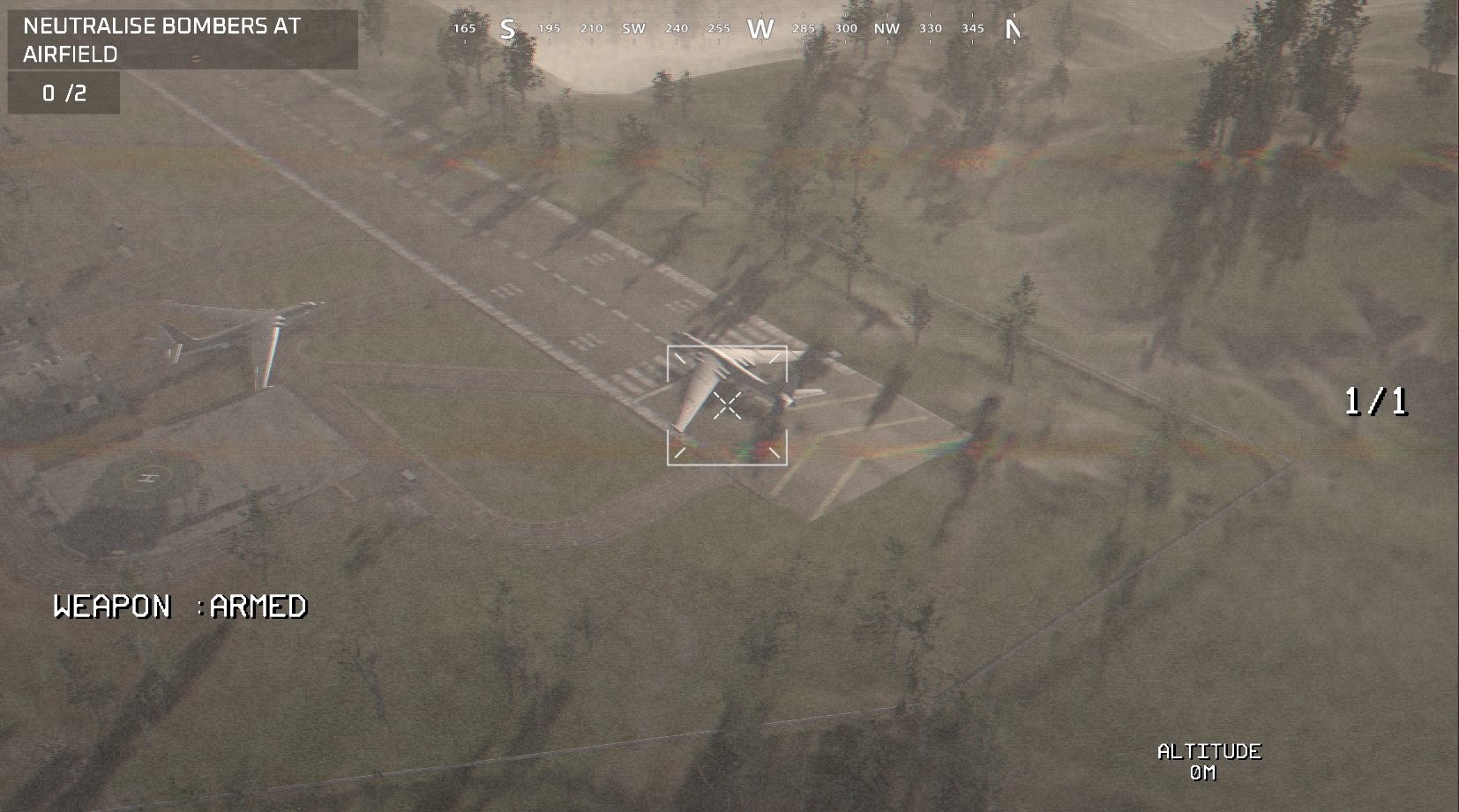
TARKUS — Clear bombers at airfield mission
Synthetic Training Environment  |  Defence Grade
We Enable
the Trainer.
TARKUS is a highly adaptable, defence-grade synthetic training environment for rapid manual FPV operator force-generation today — and the validated simulation foundation for autonomous systems tomorrow.
12,500+
Commercial units sold
100%
Air-gapped / offline
Min-Spec
Austere environment operable

Built on a proprietary physics engine with hundreds of thousands of validated human-in-the-loop flight hours, TARKUS delivers reactive FPV micro-physics indistinguishable from live hardware — paired with tactical Electronic Warfare simulation, real-time telemetry, and After Action Review. TARKUS is not a curriculum. It is an adaptable capability engine, built to meet any unmet training need a military instructor defines.

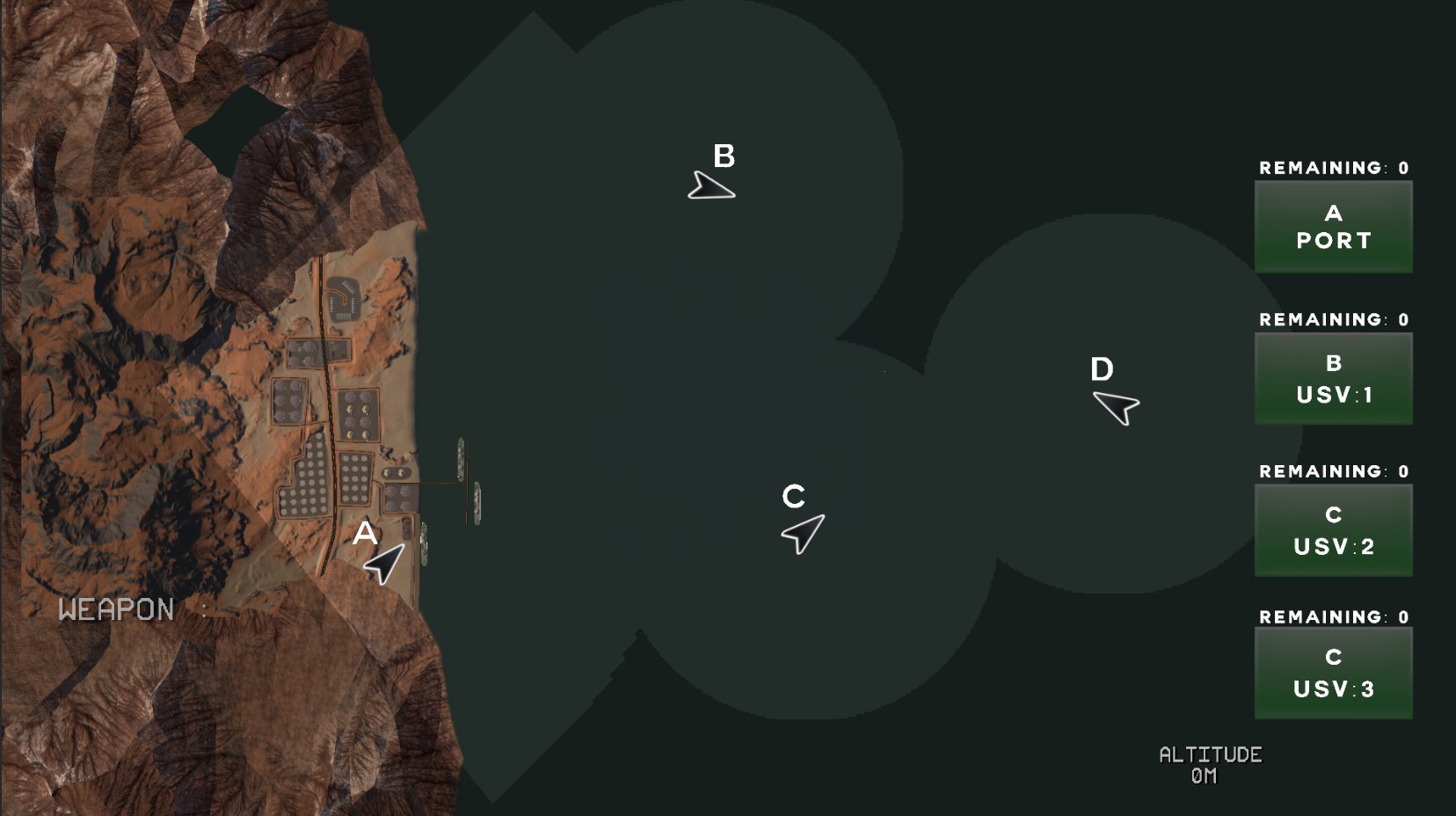
Prosecute jammer with fibre optic drone TARKUS tactical map with USV assets
Synthetic Training for the Operational Edge
Purpose-Built.
Operator-Ready.
TARKUS is engineered for front-line conditions: air-gapped architecture for full OPSEC compliance, min-spec hardware compatibility for austere deployment, and a fully configurable instructor console that adapts the training environment in real time. Every session generates structured telemetry — not scores, not statistics — that feeds performance benchmarking, scenario planning, and long-term operator assessment.
TARKUS FPV drone flying over base
01 · Command Console
Dynamic Scenario Control
Real-time injection of weather conditions, hardware fault states, and Electronic Warfare degradation. Instructors shape the training environment without interrupting the session. Supports full EW jamming simulation including signal-to-noise modelling across frequency bands, Fresnel zone diffraction, and variable jammer geometry — replicating vehicle-mounted and fixed-position EW threats at accurate J/S ratios.
02 · Air-Gapped Architecture
Secure Offline Deployment
TARKUS operates with zero network dependency. All data — operator telemetry, scenario libraries, AAR recordings — persists locally. No cloud login, no external authentication, no data egress. Designed from the ground up for classified environments and forward-deployed locations where OPSEC requirements are non-negotiable. Runs on commercial off-the-shelf hardware including min-specification laptops.
03 · Telemetry & AAR
After Action Review Suite
Every training session generates structured telemetry: flight path data, response latency, signal degradation events, engagement decisions. Full 3D forensic replay allows instructor-led post-mission analysis. Performance benchmarks are exportable for integration into wider operator assessment frameworks, supporting the NATO standard reporting cadence expected by UK Army and allied force training commands.
04 · Physics Fidelity
Validated UAS Micro-Physics
The TARKUS physics engine models orientation-dependent drag, propeller disc dynamics, motor torque, gyroscopic precession, and ground effect — validated against real-world UAS empirical data. Terminal velocity, free-fall acceleration, and aerodynamic behaviour match live hardware to within accepted simulation margins. Operators trained in TARKUS transition to live platforms with demonstrably reduced time-to-competency.
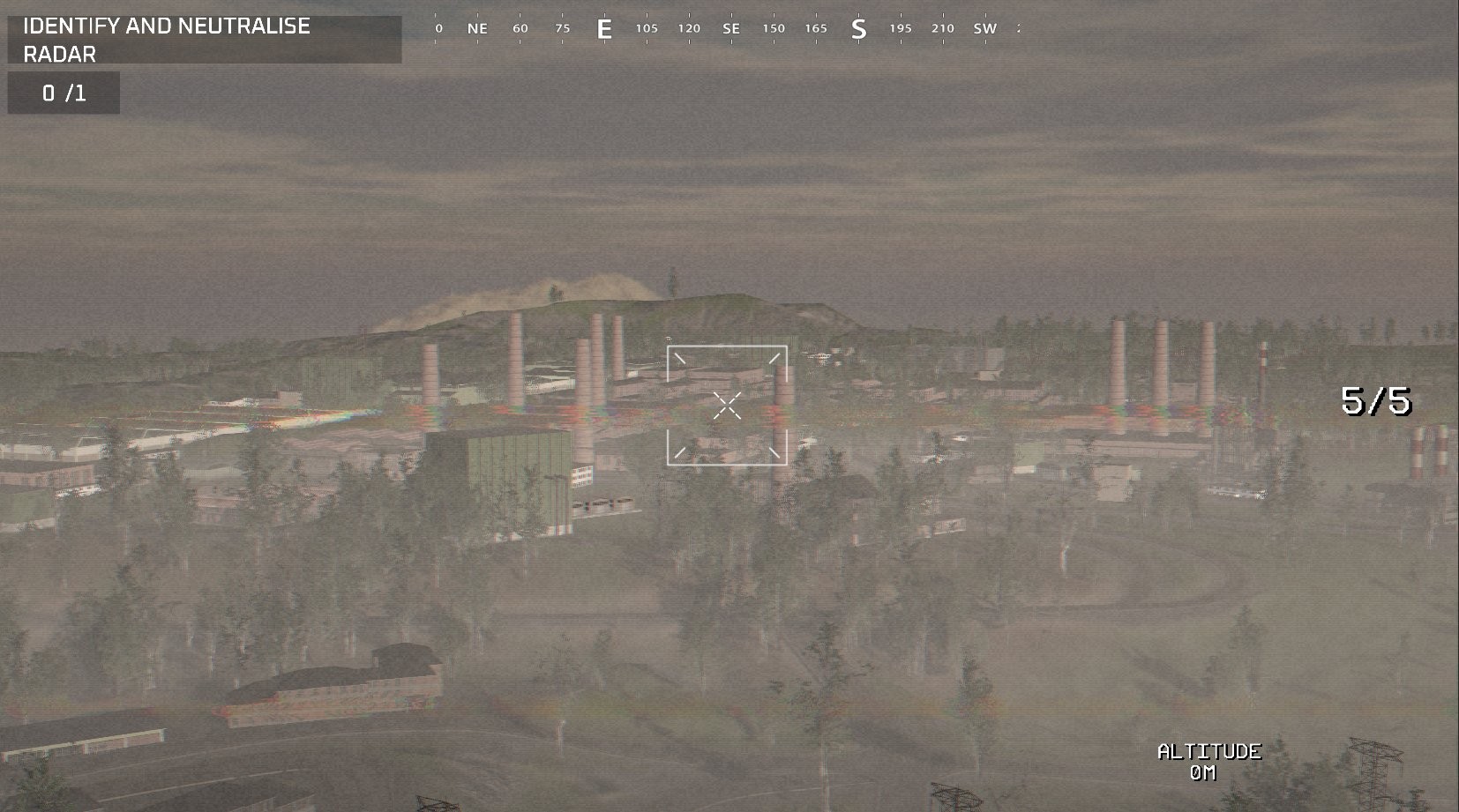
Identify and prosecute radar in village environment FPV drone flight over mountainous terrain
Scenario Planning & Data Ingestion
  • Drone hardware parameters ingested via OEM specification import
  • Geographic and mapping data ingestion for custom synthetic ground-truth
  • Configurable network data environments for interoperability exercises
  • Scenario library built from real operational patterns; fully instructor-editable
  • European OEM partnership pipeline: drone hardware profiles continuously expanded
Deployment Profile
  • Min-spec COTS hardware — no proprietary rig required
  • UAS controller support: standard radio hardware input
  • Instructor and operator stations operate independently
  • No internet or cloud dependency at any stage
  • DIS / HLA network interoperability (Phase 2 roadmap)
  • Configurable for single-operator or networked data environments
From Manual Operators to Autonomous Systems
The Bridge Between
Human Proficiency & Machine Intelligence
FPV drone over base TARKUS main menu with drone on workbench Identify and prosecute radar with multiple targets
The immediate priority is human force generation — rapidly scaling manual operator proficiency at a fraction of legacy system cost. The strategic intent is broader. TARKUS's accumulating database of human flight hours represents the highest-fidelity training resource available for the autonomous systems that follow. Human training today is the validation for autonomous delivery tomorrow.
Phase 01
Pilot Selection
Candidate Assessment & Baseline
TARKUS establishes a structured synthetic assessment environment to identify and select candidates with the aptitude for UAS operation. Baseline flight proficiency, spatial awareness, and response under simulated EW degradation are measured and benchmarked before formal training begins.
Phase 02
Full Operator Training
Structured Proficiency Programme
Operators progress through a full instructor-led training curriculum: platform familiarisation, tactical manoeuvre, EW signal degradation response, and live scenario exercises. Performance telemetry is captured throughout, with After Action Review driving continuous improvement and formal sign-off against defined competency benchmarks.
Phase 03
Reinforcement & Rehearsal
Independent Mission Practice
Once trained, operators continue to sharpen proficiency independently — repeating mission scenarios, rehearsing upcoming operations, and stress-testing decision-making under varied conditions. TARKUS serves as a persistent training resource that operators return to throughout their deployment cycle, not just during formal instruction.
"Our human operators are our validation. Because our physics are sufficiently accurate that real-world pilots use TARKUS to train, operators that complete the programme will be ready to deploy on live hardware from day one."
TARKUS Positioning Statement  ·  TARKUS Simulation
TARKUS simulation — port with LNG carrier
Next Step: Technical Follow-Up
TARKUS is available for targeted capability demonstration to qualifying units and procurement authorities. We are seeking a Customer Zero partner for a structured training exercise — identifying a specific operational capability gap, designing a TARKUS scenario to address it, and delivering a measurable outcome. Demonstrations are conducted in secure, air-gapped environments using the unit's own hardware where required.
OPENING QUESTION:
"How are you currently simulating EW signal degradation for your operators and AI models?"
Product
TARKUS Synthetic Training Environment
Developer
TARKUS Simulation
Location
Falmouth, Cornwall, United Kingdom